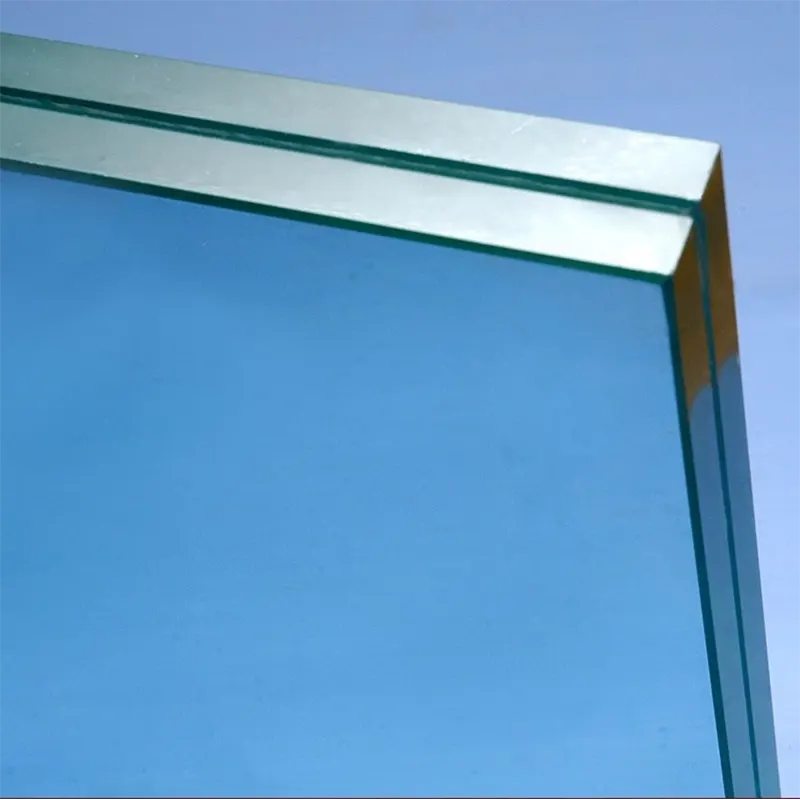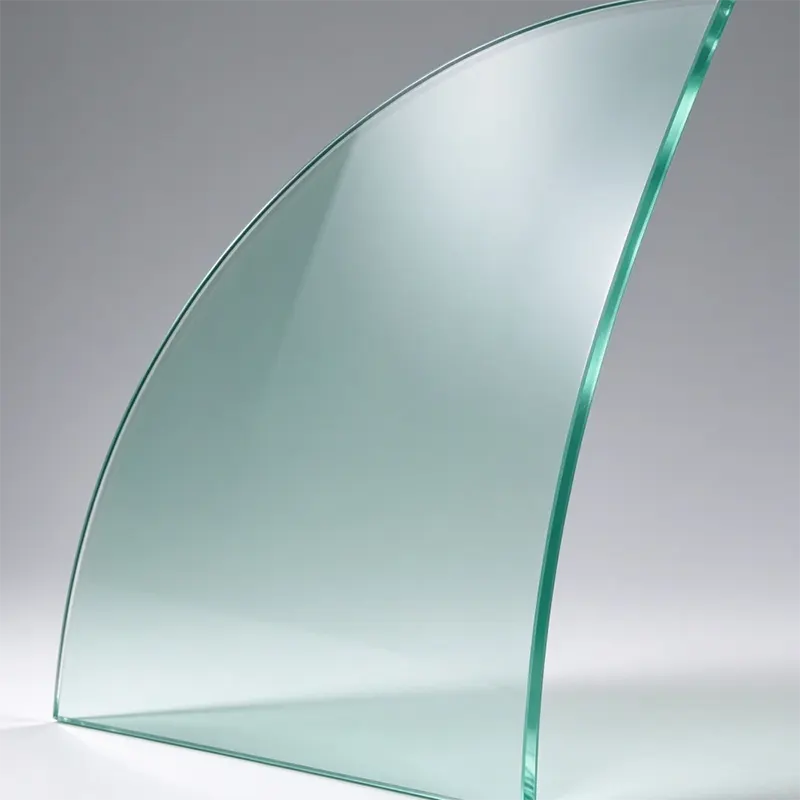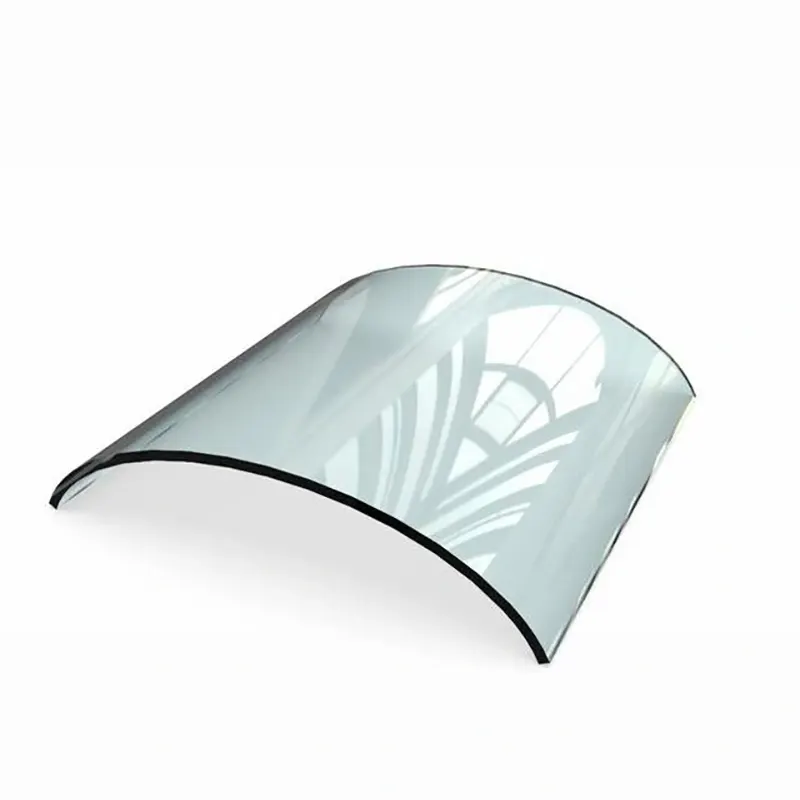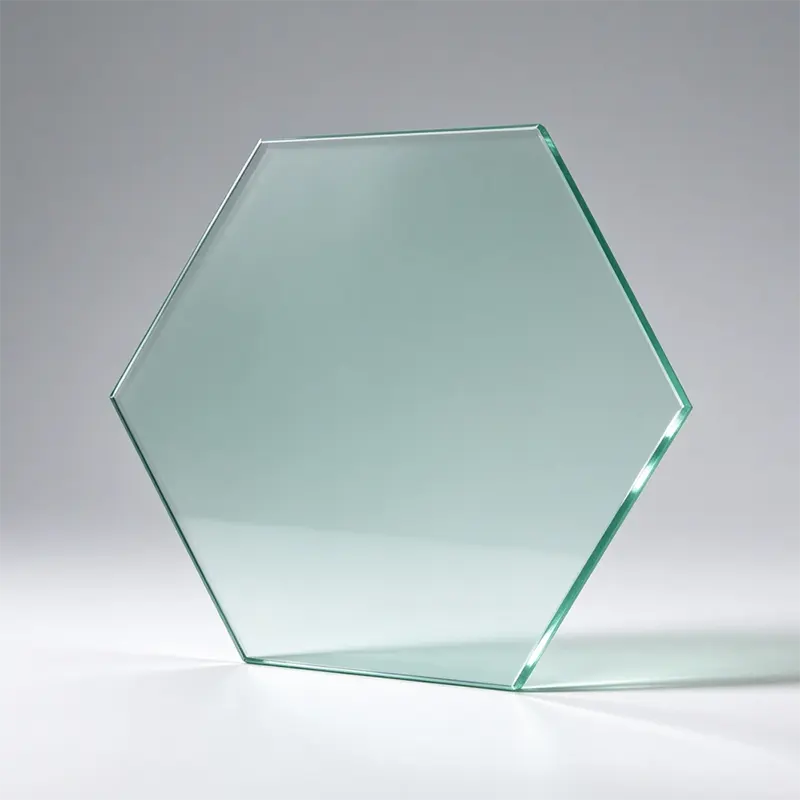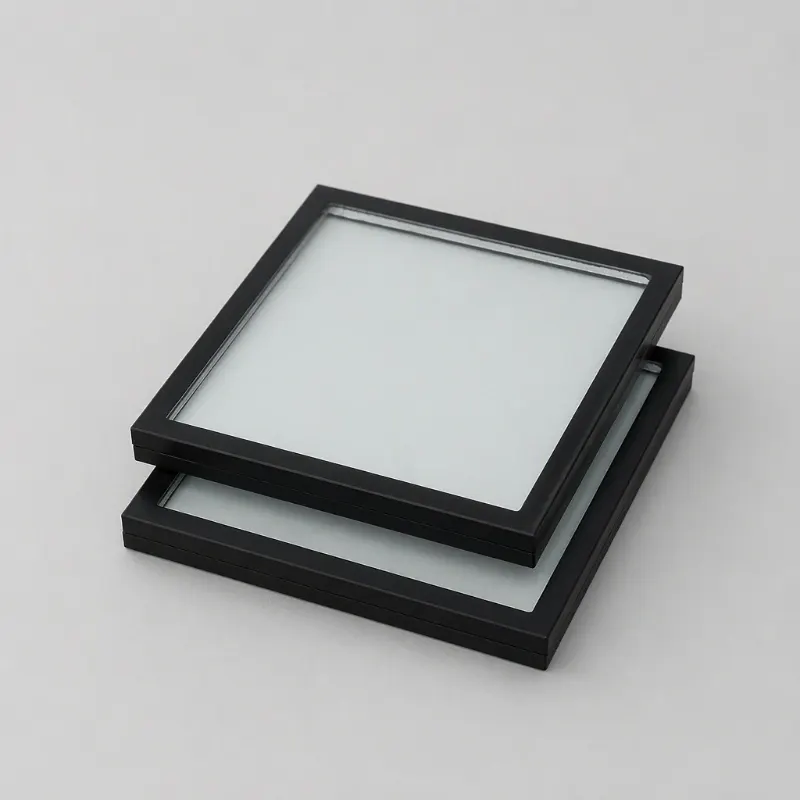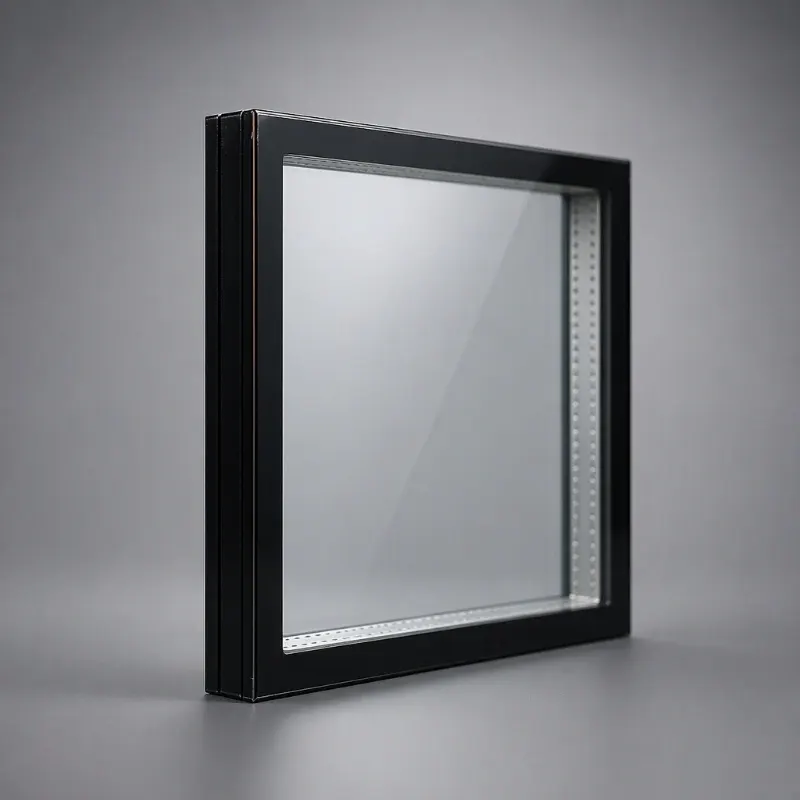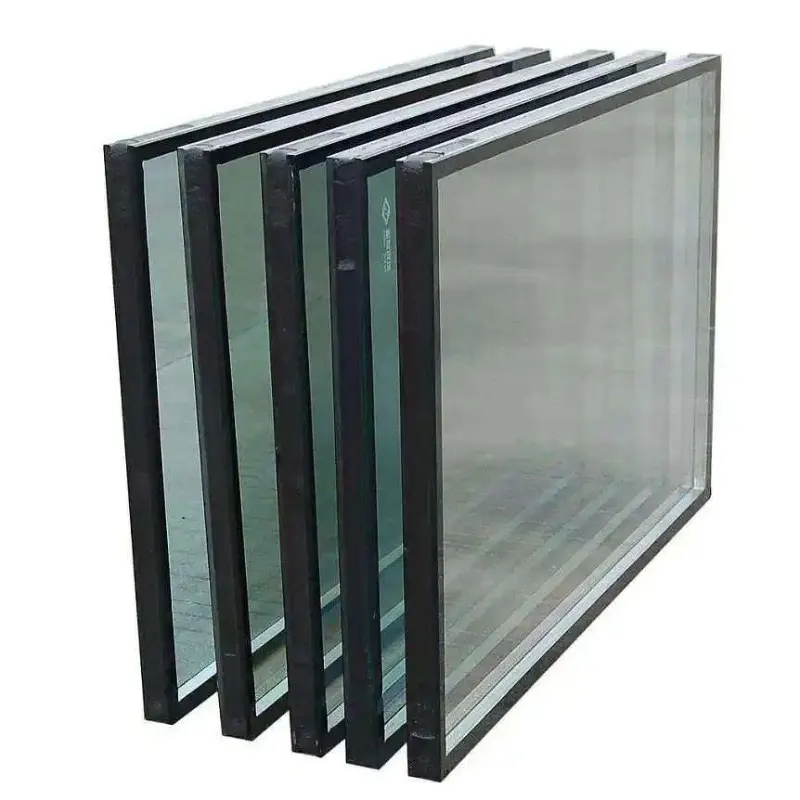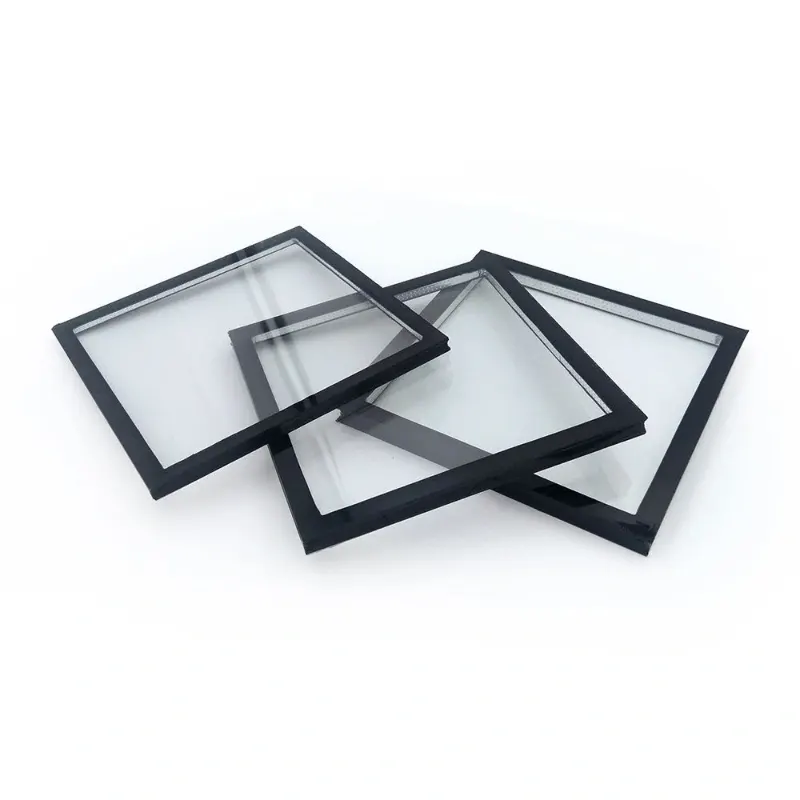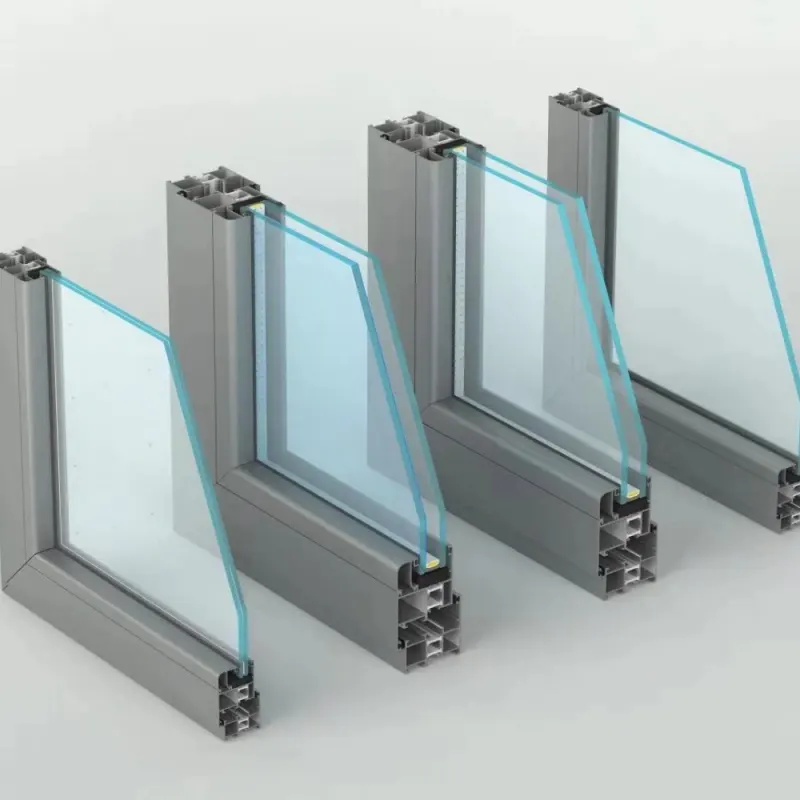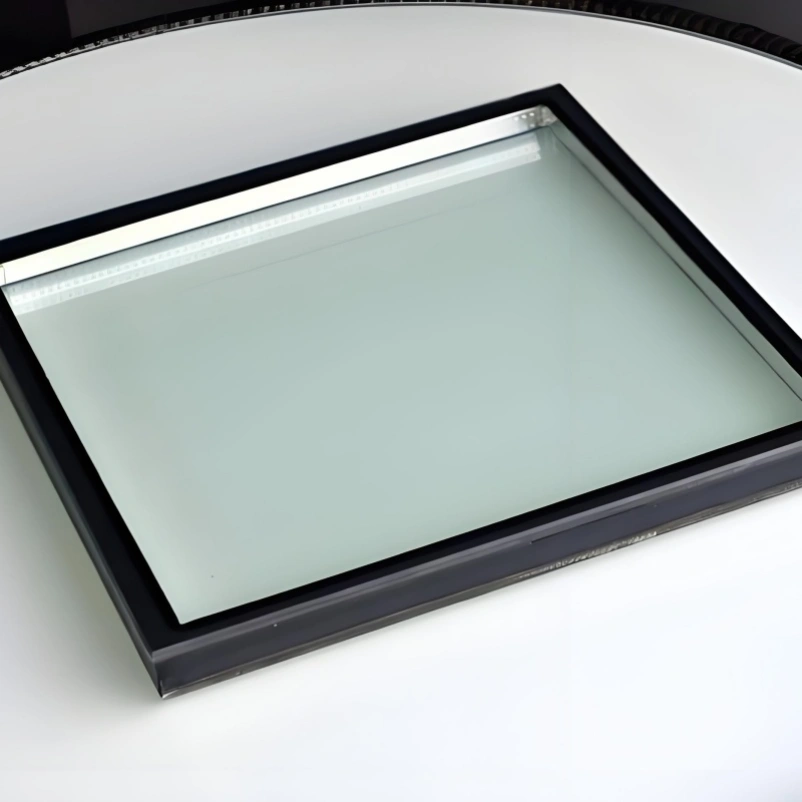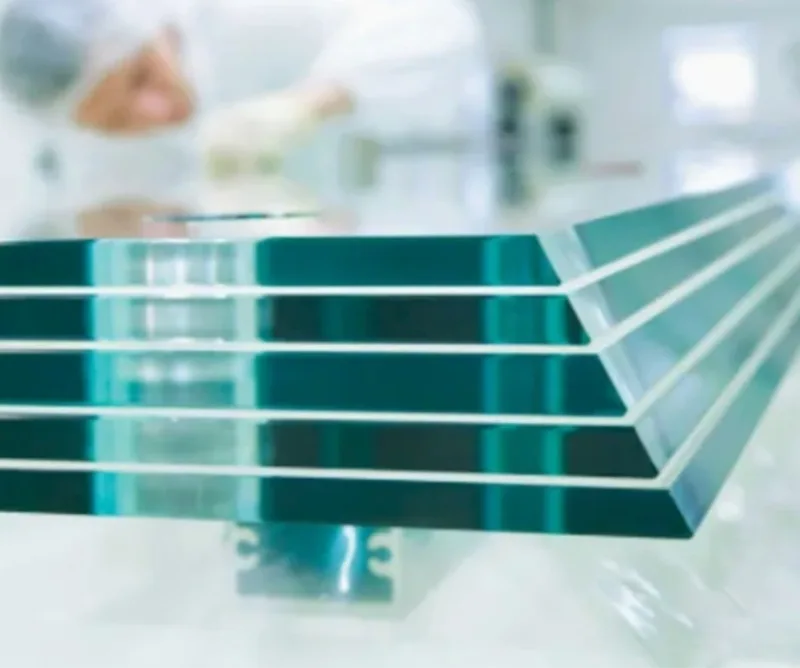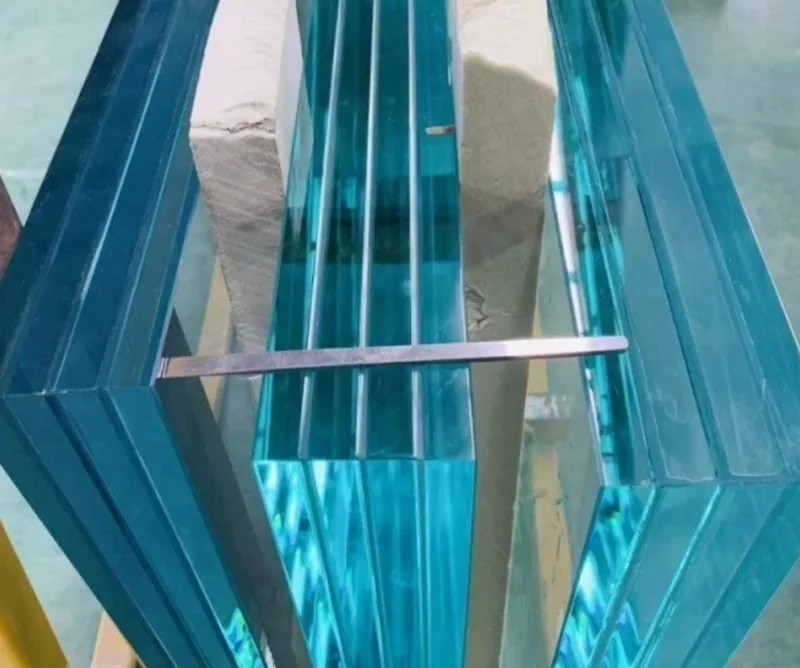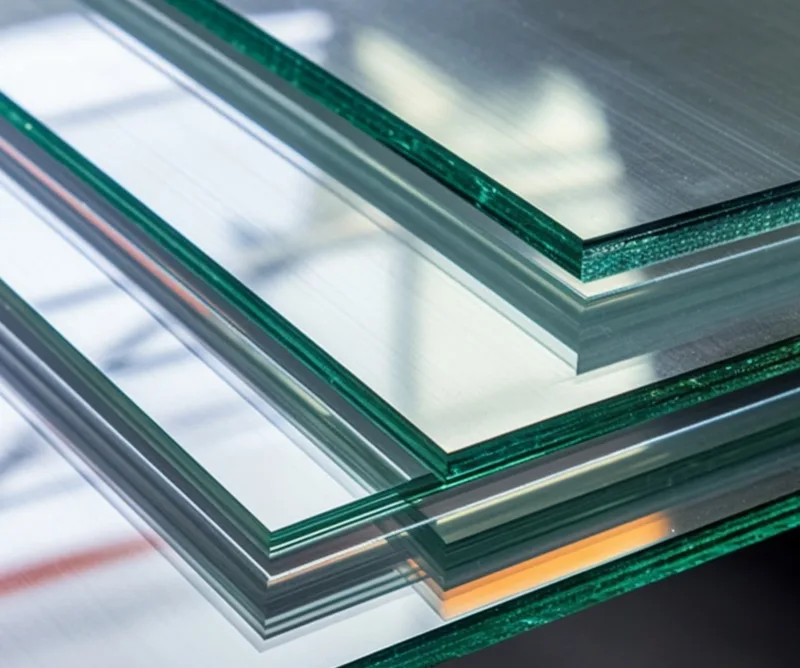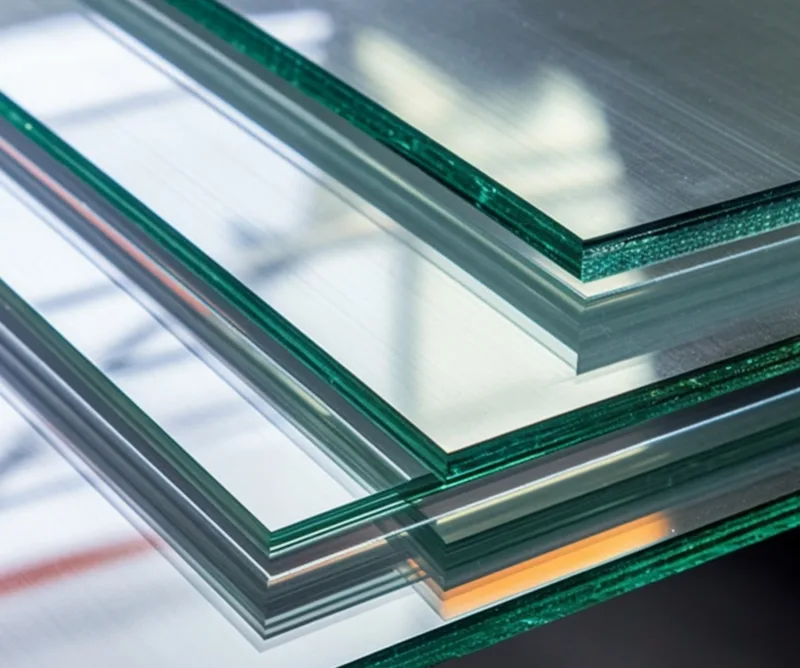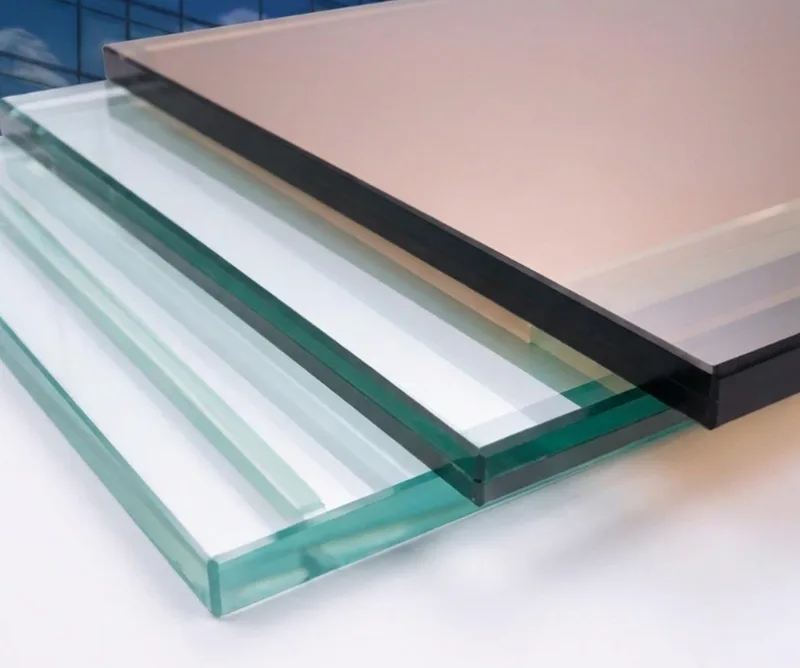
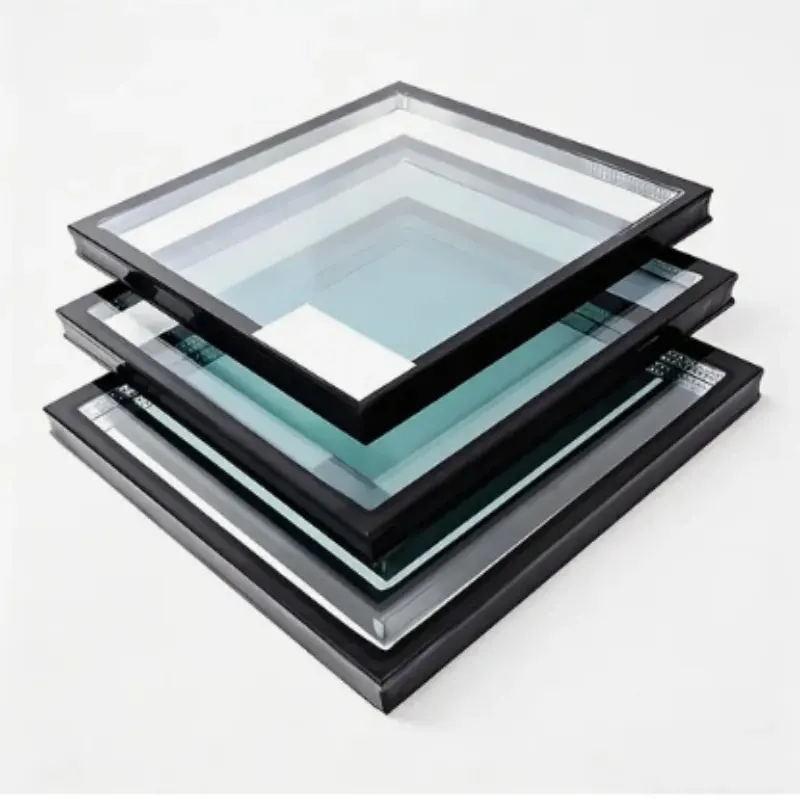
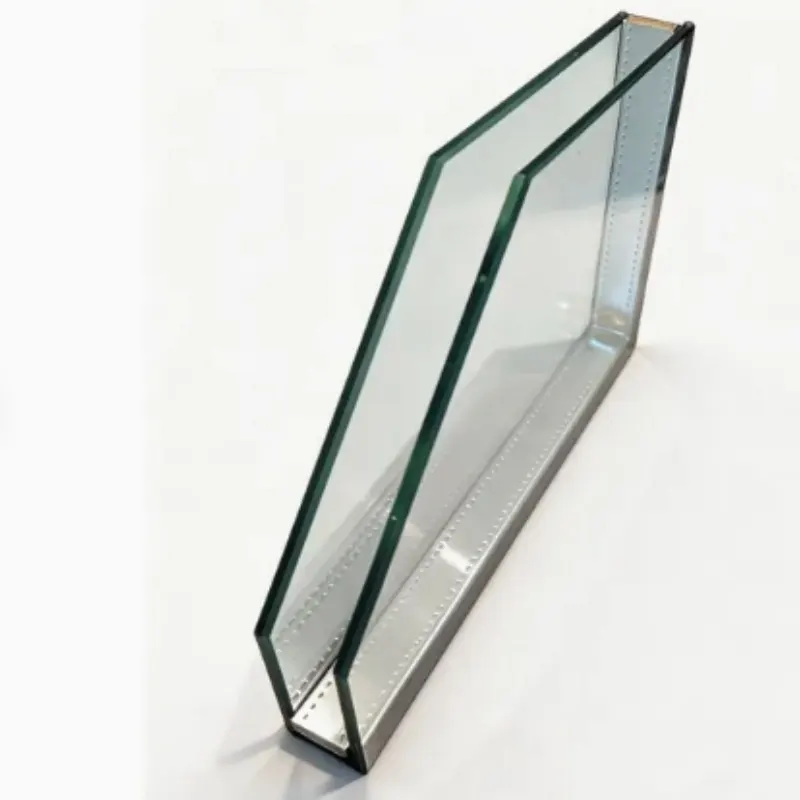
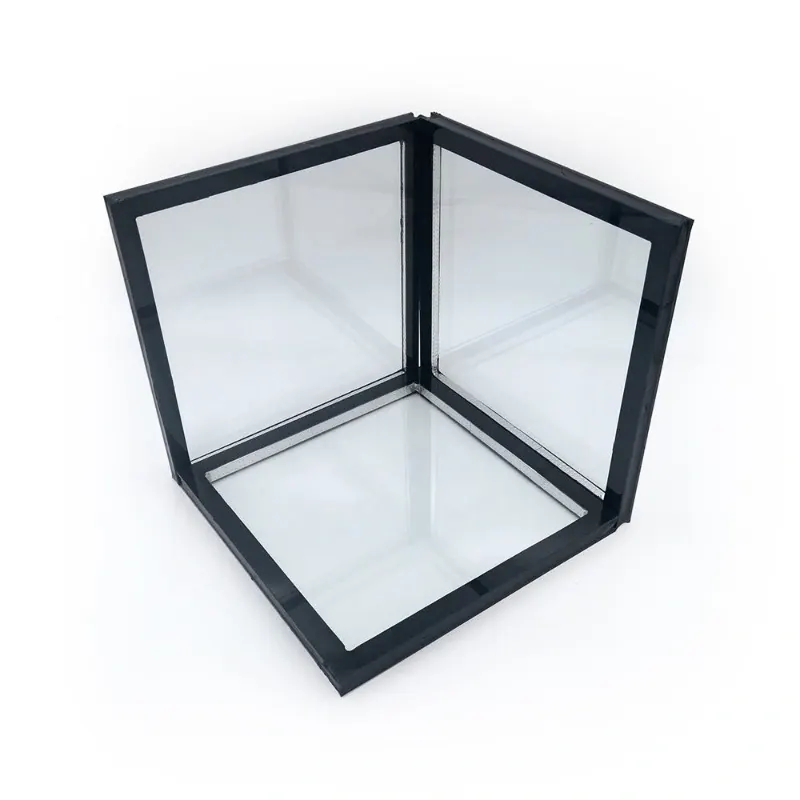
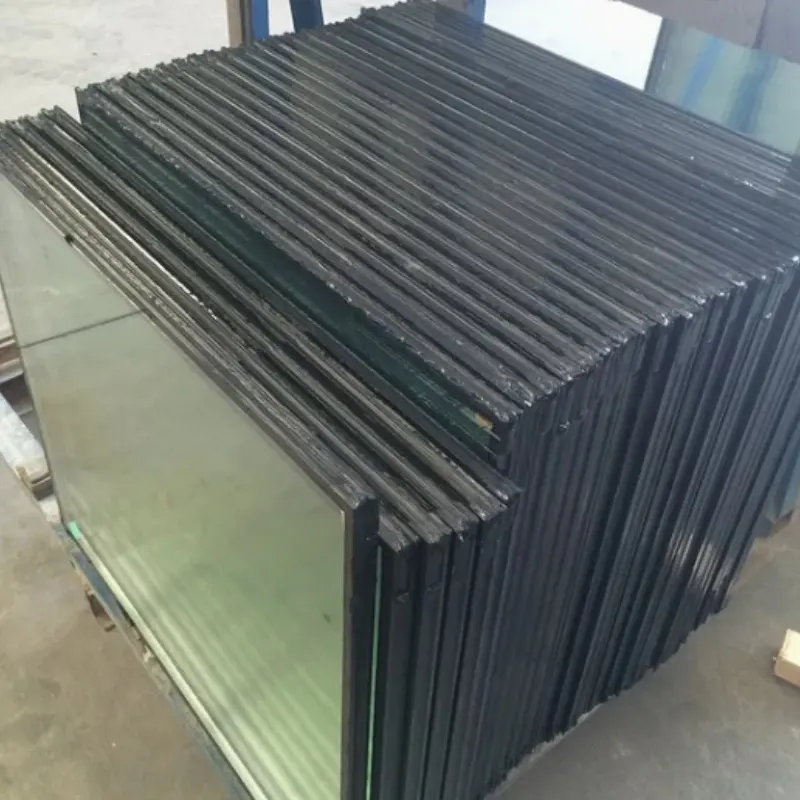
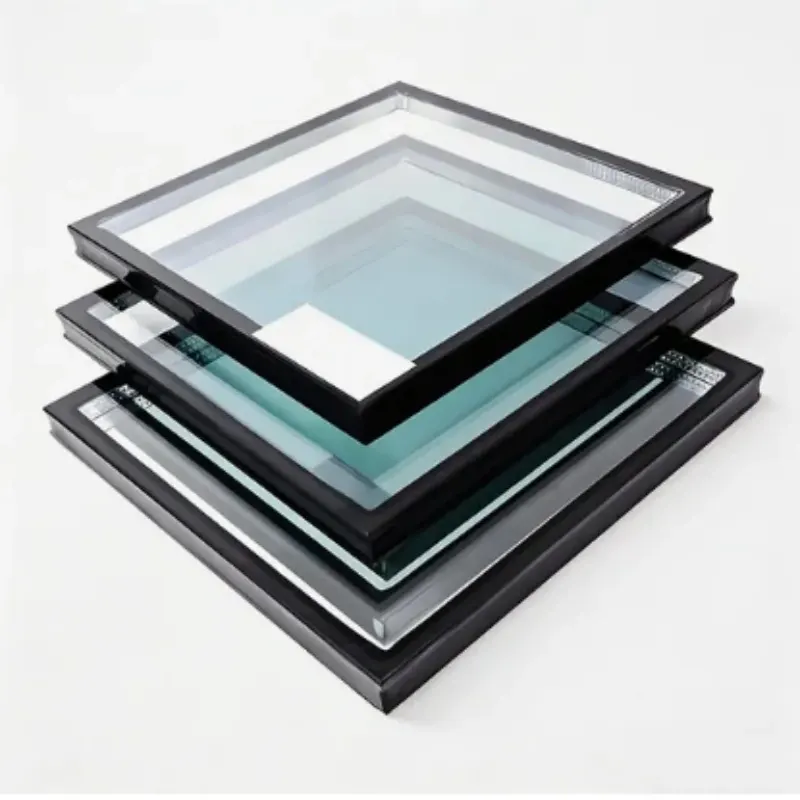
Tianjin Tianbo ผลิตและปรับแต่งหน่วยกระจกฉนวนสองชั้นพร้อมเติมก๊าซอาร์กอนและแถบ Spacer Warm-Edge สำหรับการจัดหาขายส่ง แต่ละยูนิตจะจับคู่บานกระจกสองบานกับช่องอาร์กอนที่ปิดสนิทและแถบตัวเว้นระยะขอบอุ่นเพื่อลดการถ่ายเทความร้อน ลดการควบแน่นที่ขอบ และปรับปรุงความสะดวกสบายภายในอาคาร เหมาะสำหรับหน้าต่าง ด้านหน้าอาคาร และผนังม่าน ตัวเว้นระยะขอบอุ่นจะจำกัดการเชื่อมต่อความร้อนที่ขอบด้านนอก ในขณะที่การเติมอาร์กอนจะให้ฉนวนที่ดีกว่าช่องเติมอากาศมาตรฐาน หน่วยต่างๆ ได้รับการสร้างขึ้นตามแบบของโครงการ โดยสามารถเลือกประเภทกระจก ความหนา การเคลือบ และขนาดได้ตามข้อกำหนด การควบคุมการซีลและการตรวจสอบตามปกติช่วยให้ประสิทธิภาพการทำงานสม่ำเสมอ มีอุปทานขายส่ง
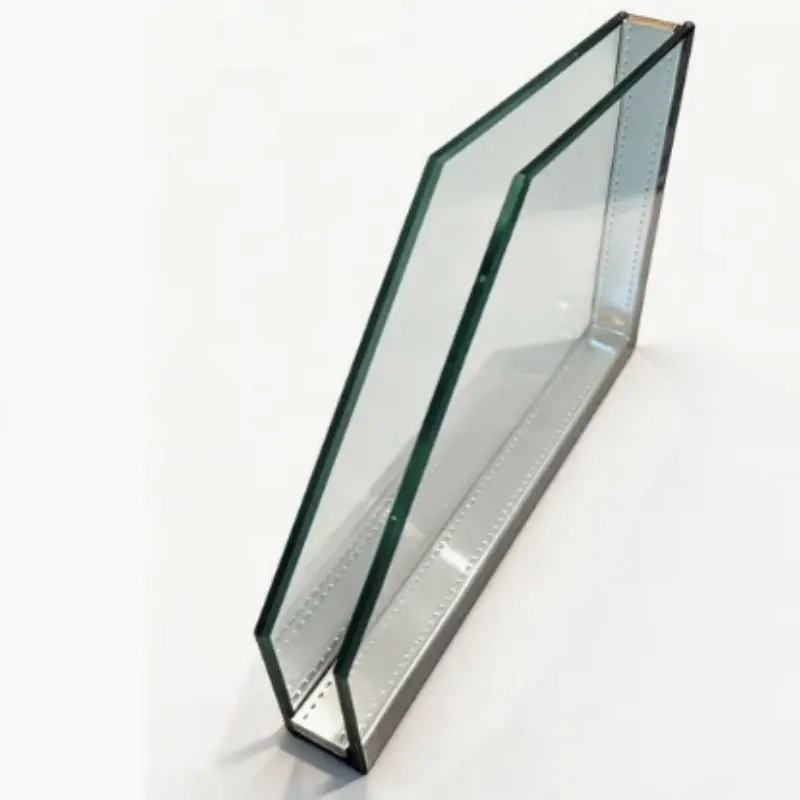
This product is a factory-sealed insulating glass unit built from two glass panes, an argon-filled cavity and a warm-edge spacer bar. The two panes are held apart by the spacer, and the perimeter is sealed so the cavity stays dry and the gas fill remains stable. A desiccant inside the spacer helps absorb residual moisture, while the warm-edge spacer uses low-conductivity material or a composite structure to reduce heat flow at the glass edge.
The argon fill is denser than air and slows conductive and convective heat transfer across the cavity, which helps improve thermal insulation compared with a simple air-filled unit. The warm-edge spacer lowers thermal bridging around the perimeter, keeping the inner pane edge closer to room temperature and reducing the chance of edge condensation. Together, these features support better energy performance, indoor comfort and a clearer view in windows, facades and curtain walls.
Units can be configured to project drawings, including glass type, thickness, coating, cavity width, spacer design, size and edge treatment. Sealing control, gas retention checks and dimensional inspection are carried out to support consistent performance in new construction, renovation and wholesale supply.
|
การปรับแต่ง |
Available |
|
After-sales Service |
การสนับสนุนทางเทคนิคออนไลน์ |
|
การรับประกัน |
ใช่ |
|
พิมพ์ |
Insulated Glass |
|
Shape |
Flat |
|
Structure |
กลวง |
|
Glass Thickness |
3-19mm |
|
Energy Transfer |
การแผ่รังสี |
|
ความลึกของการประมวลผลแบบลึก |
แก้วกลวง |
|
Color |
Clear,etc |
|
Usage |
Furniture, Door, Building, Window |
|
Material |
กระจกโฟลตนิรภัยที่ผ่านการรับรอง |
|
Processing |
ออกแบบเอง |
|
ขอบทำงาน |
Flat-Edge, Beveled-Edge,Og,Pencil Edge Polished |
|
Sheet Glass |
กระจกสี, กระจกใส กระจกนิรภัย |
|
ปรับแต่ง |
ปรับแต่ง |
|
MOQ |
1*40 FCL |
|
สไตล์การออกแบบ |
อุตสาหกรรมสมัยใหม่ |
|
Delivery Time |
15-25 วัน |
|
Payment Term |
ที/ที |
|
Means of Transportation |
Sea, Train, Air |
|
Transport Package |
Strong Plywood Case |
|
ข้อมูลจำเพาะ |
ขนาดใด ๆ ตามคำขอของคุณ |
|
Origin |
จีน |
ชั้นกลวงที่เติมด้วยก๊าซอาร์กอนเพื่อประสิทธิภาพของฉนวนที่เสถียรยิ่งขึ้น: หน่วยกระจกฉนวนสองชั้นพร้อมเติมก๊าซอาร์กอนและแถบตัวเว้นวรรคอุ่น การเติมก๊าซอาร์กอนเข้าไปในโพรงกลวงมีความหนาแน่นสูงกว่าและมีค่าการนำความร้อนต่ำกว่า ซึ่งสามารถชะลอการพาก๊าซและการถ่ายเทความร้อนภายในโพรงได้ เมื่อเทียบกับกระจกฉนวนเติมอากาศทั่วไป ช่วยปรับปรุงประสิทธิภาพโดยรวมของฉนวนของหน้าต่าง
Warm edge spacing strips to reduce edge thermal bridges: Using warm edge spacing strips instead of traditional aluminum strips reduces heat conduction at the edges of glass, lowers the risk of condensation at the edges, and makes the temperature distribution of the entire glass more uniform. It is particularly suitable for doors, windows, and curtain wall areas that require anti condensation and energy conservation.
Double layer structure, balancing lighting and sound insulation: Two pieces of glass combined with a sealed cavity can reduce some external noise while maintaining visible light transmission, improve indoor sound environment, and are suitable for outdoor windows in residential, office, and commercial buildings facing the street.
โครงสร้างการซีลมีความเสถียรและลดความเสี่ยงที่จะเกิดฝ้า: แถบเว้นระยะ สารดูดความชื้น และสารเคลือบหลุมร่องฟันทำงานร่วมกันเพื่อสร้างโพรงกลวงที่มั่นคง ทำให้โพรงแห้งและลดความเสี่ยงของการเกิดฝ้าภายในที่เกิดจากความแตกต่างของอุณหภูมิและความชื้นที่เข้ามา ทำให้ง่ายต่อการรักษารูปลักษณ์ที่โปร่งใสเป็นเวลานาน
รองรับการกำหนดค่าที่กำหนดเองและการปรับให้เข้ากับระบบประตูและหน้าต่างต่างๆ: ประเภทกระจก ความหนา การเคลือบ ความกว้างและขนาดโพรงกลวงสามารถปรับแต่งได้ตามความต้องการของโครงการ ทำให้ง่ายต่อการประสานงานกับตัวเฟรมที่แตกต่างกัน โหนดผนังม่าน และวิธีการติดตั้ง เหมาะสำหรับการจัดซื้อจัดจ้างทางวิศวกรรมจำนวนมากและการผลิตแบบกำหนดเอง
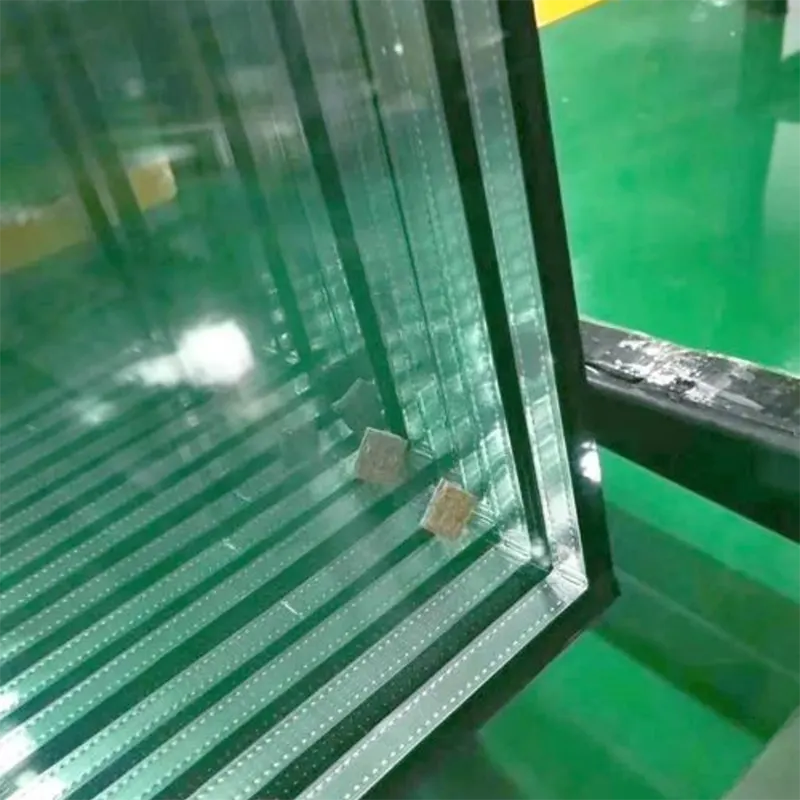
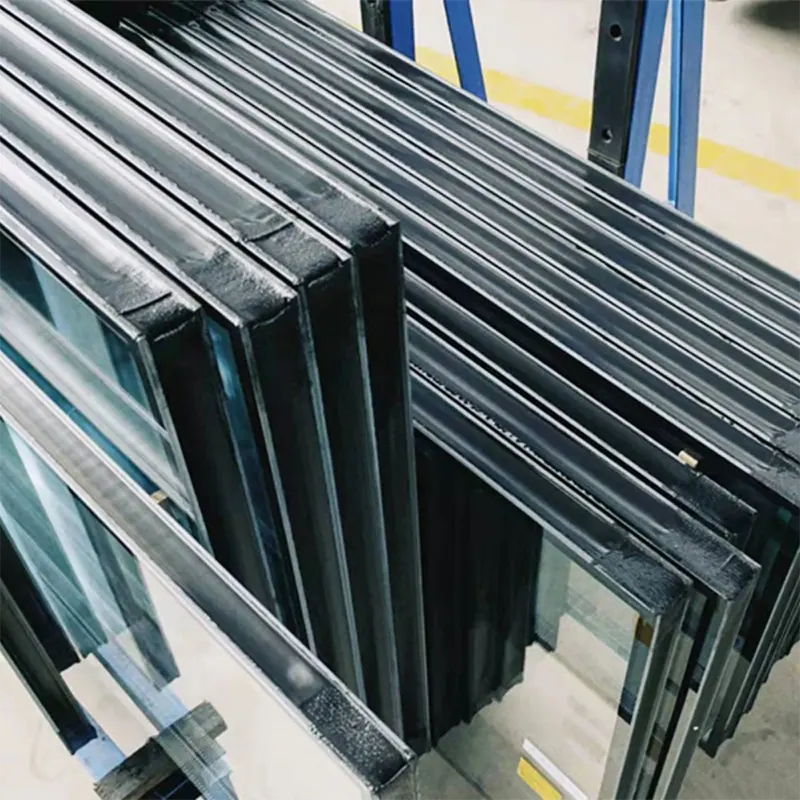
โปรดใส่ใจกับความแตกต่างของอุณหภูมิและความเครียดจากความร้อนในสภาพแวดล้อมการใช้งาน: หน่วยกระจกฉนวนสองชั้นพร้อมเติมก๊าซอาร์กอนและแถบสเปเซอร์ขอบอุ่น แม้ว่าจะมีความต้านทานต่ออุณหภูมิได้ในระดับหนึ่ง แต่หลังการติดตั้ง กระจกควรได้รับการปกป้องจากการอบที่อุณหภูมิสูงในระยะยาวหรือการเปลี่ยนแปลงอุณหภูมิอย่างกะทันหัน หากมีเตาอบ ท่อส่งไอน้ำ หรือแหล่งความร้อนแรงอยู่ใกล้ๆ ควรรักษาระยะห่างหรือดำเนินการฉนวนเพื่อลดความเสี่ยงของการแตกร้าวที่เกิดจากความเข้มข้นของความเครียดจากความร้อน
Avoid long-term moisture or water accumulation at the edges: Warm edge spacing strips and sealant are key to maintaining the dryness of the cavity and the stability of argon gas. The installation nodes should ensure smooth drainage to prevent the window sill and frame from being soaked in water for a long time at the glass edges. When used in damp or rainy areas, the drainage holes and sealant should be regularly checked to reduce the aging of the edge seals.
Do not apply concentrated loads or stick heavy objects on the glass surface: Hollow glass has limited ability to withstand concentrated loads. During use, avoid hanging heavy objects, sticking large billboards, or applying local pressure on the glass, especially in areas with large curtain walls and door and window partitions, to prevent glass deformation or damage to edge seals.
Avoid high temperature or welding operations near the glass after installation: If welding, cutting, or other operations are still needed around the curtain wall or doors and windows after installation, proper shielding and protection should be taken to prevent welding slag splashing or high temperature thermal shock from damaging the glass surface and edge sealing, and to avoid scratches, thermal cracks, or sealing failure as a result.
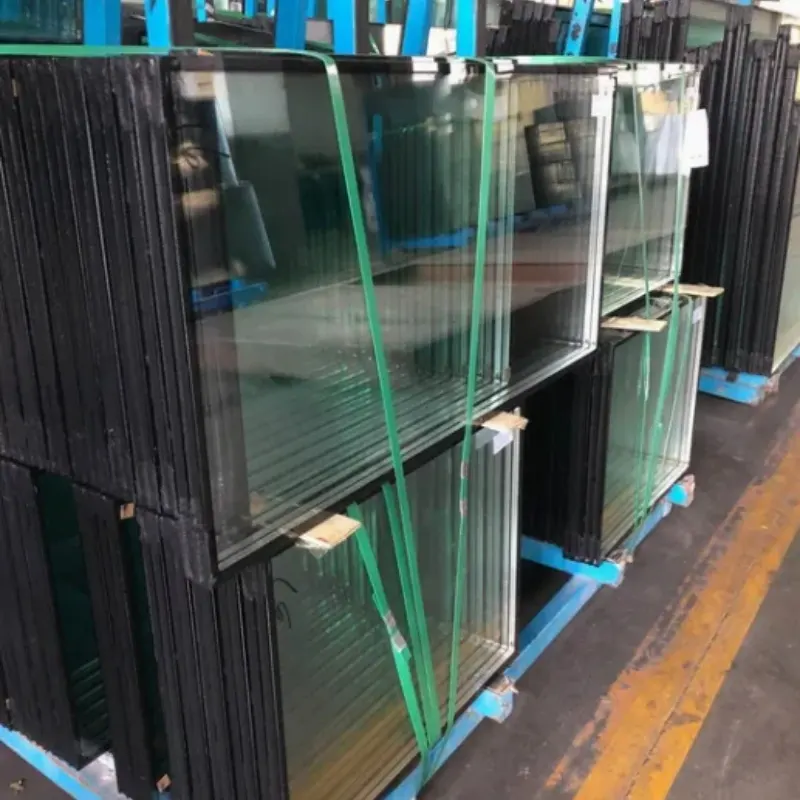
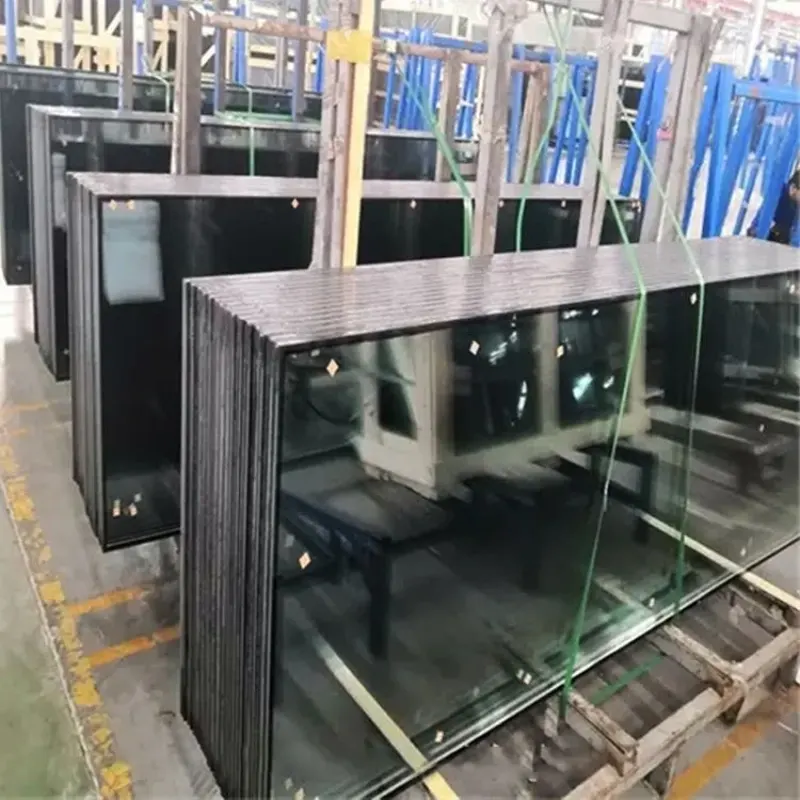
มาตรการป้องกันที่สำคัญสำหรับการปิดผนึกขอบและแถบระยะห่างขอบอุ่น: หน่วยกระจกฉนวนสองชั้นพร้อมเติมก๊าซอาร์กอนและแถบตัวเว้นวรรคอุ่น แถบปิดผนึกขอบและแถบระยะห่างขอบอุ่นเป็นส่วนสำคัญในการรักษาเสถียรภาพของก๊าซอาร์กอนและป้องกันความชื้นในโพรง ในระหว่างการบรรจุ เราจะให้ความสนใจเป็นพิเศษในการเสริมความแข็งแรงให้กับพื้นที่โดยรอบ มุม และบริเวณแถบเว้นวรรค เพื่อลดความเสียหายของการปิดผนึกที่เกิดจากการกระแทก การบีบอัด หรือความเครียดในท้องถิ่นระหว่างการขนส่ง
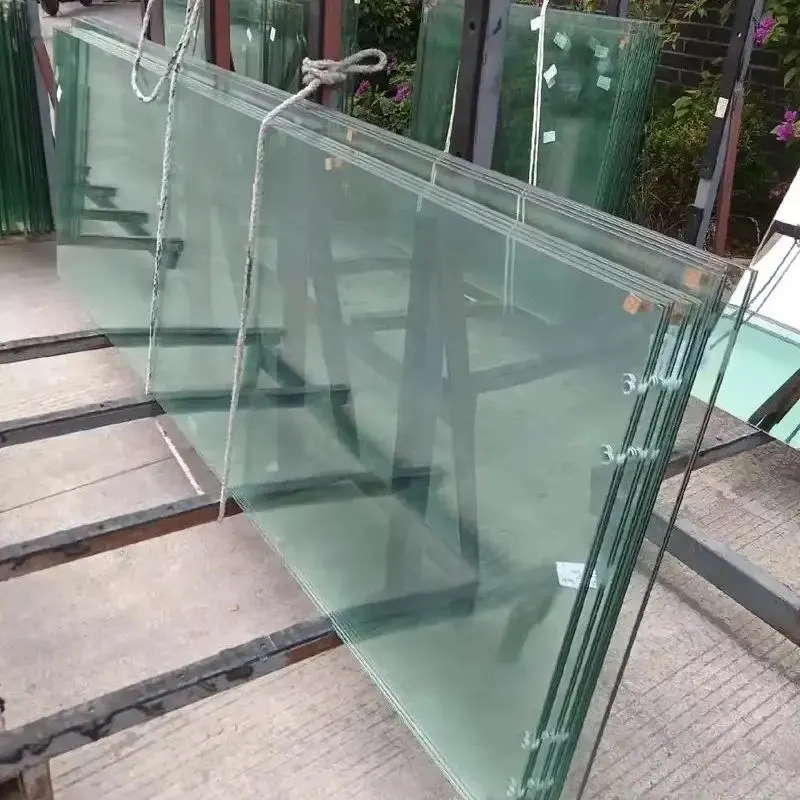
Attention should be paid to fixation and separation in shipping placement: When loading containers or vehicles, they should be placed reasonably according to packaging labels and product specifications, with proper fixation and separation to reduce sliding, tilting, or collision during transportation. When mixing different specifications, make sure to distinguish and label them to avoid heavy pressure and sharp objects from contacting the edges of the glass.
การป้องกันความชื้น การป้องกันแสงแดด และการควบคุมความแตกต่างของอุณหภูมิ: การขนส่งและการเก็บรักษาชั่วคราวควรหลีกเลี่ยงความชื้น การสะสมของน้ำ การสัมผัสกับแสงแดด และความแตกต่างของอุณหภูมิที่รุนแรงในระยะยาว เพื่อป้องกันไม่ให้แถบระยะห่างขอบที่อบอุ่นชื้น น้ำยาซีลไม่เสื่อมสภาพ หรือฟิล์มป้องกันเหลืออยู่ ให้ความสนใจกับการระบายอากาศของตู้คอนเทนเนอร์และการป้องกันฝนในระหว่างการขนส่งทางทะเล และใช้วิธีการจัดการที่เหมาะสมโดยพิจารณาจากคุณลักษณะของผลิตภัณฑ์ระหว่างการขนถ่าย
การตรวจสอบใบเสร็จรับเงินและการตอบรับที่ผิดปกติ: ลูกค้าสามารถตรวจสอบบรรจุภัณฑ์ด้านนอกและสภาพกระจกก่อนเมื่อรับสินค้า ตรวจสอบขนาด ปริมาณ การปิดผนึกขอบ และชั้นกลวงเพื่อดูความผิดปกติใด ๆ หากพบความเสียหาย เกิดฝ้า หลุดร่อน หรือซีลเสียหาย โปรดถ่ายรูปและติดต่อทีมขายอย่างทันท่วงที เพื่อช่วยในการสื่อสารและจัดการตามข้อตกลงการสั่งซื้อและสถานการณ์จริง เพื่ออำนวยความสะดวกในการตรวจสอบย้อนกลับและการแก้ไขในภายหลัง
A: Argon reduces heat convection inside the cavity, and warm-edge spacers lower thermal bridging and condensation risk. Combined, they improve thermal performance. Choose according to local climate and energy requirements.
ก. ใช่. การผสมผสานกระจกแบบกำหนดเอง ความหนา การเคลือบ Low-E ความกว้างของโพรง และขนาด มีให้เลือกตามแบบ แนะนำให้สุ่มตัวอย่างก่อนการผลิตจำนวนมาก
A: Check the supplier’s filling method, sealing structure and test reports. Ensure dry cavity, continuous edge sealing and no fogging or delamination.
A: MOQ depends on size and configuration. Samples are available (fees may apply). Lead time is subject to drawing confirmation and production schedule.
A: Edges and warm-edge spacers are well protected. Take photos immediately if breakage, fogging or sealing defects are found on arrival and contact us.
ที่อยู่
50 เมตรทางใต้ของสี่แยกถนนหมายเลข 7 และถนน Yanfeng West โซนเหนือ สวนอุตสาหกรรมไฮเทค เขตพัฒนาเศรษฐกิจและเทคโนโลยี Ziya เทียนจิน
โทร
อีเมล